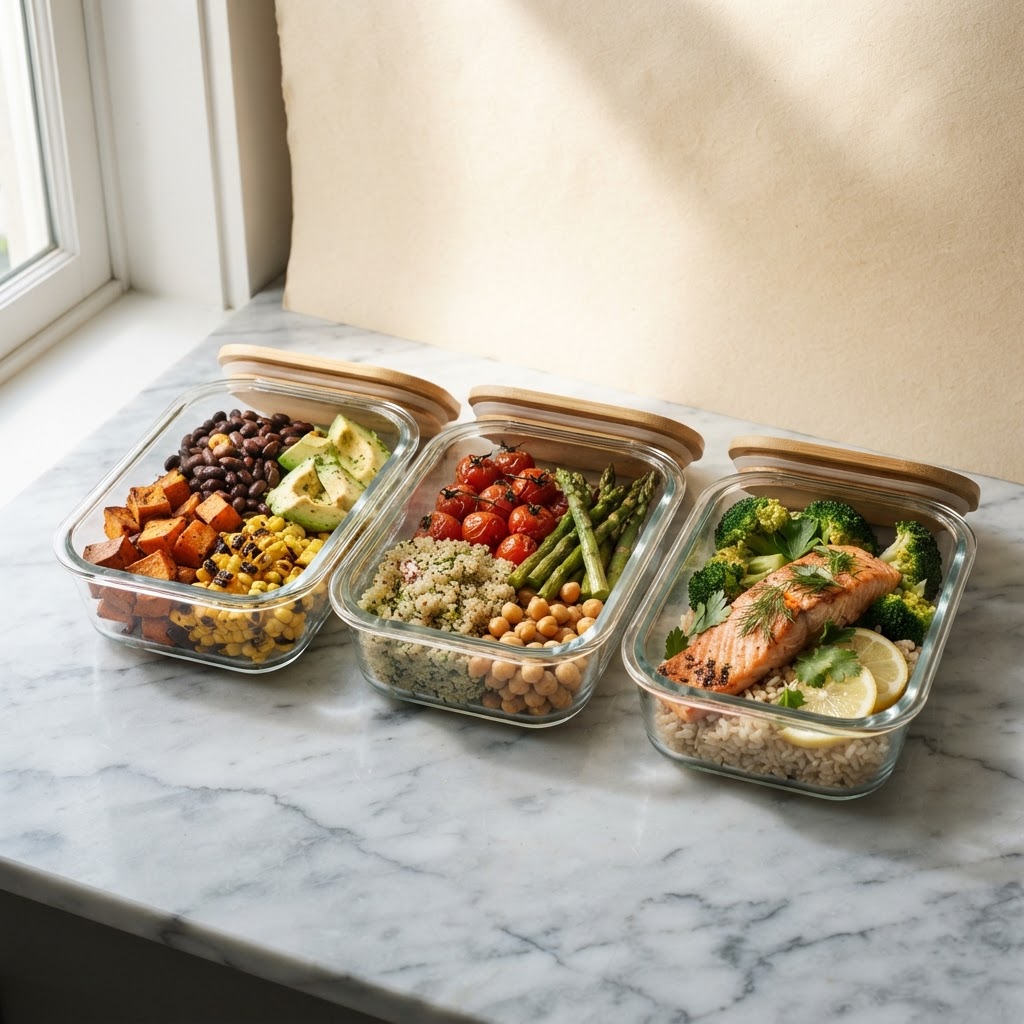
Easy Meal Prep Ideas for the Week: Simple & Healthy
Discover easy meal prep ideas for the week to save time and eat healthier. Simple recipes and strategies to simplify your busy life.
Archive of Absolute Clarity is reader-supported. This page may display advertisements served by Google AdSense and other third-party networks. Ads are delivered automatically based on your browsing activity and are not editorial endorsements. We may earn a commission from links to products or services featured in sponsored content. Our editorial coverage is produced independently and is never influenced by advertisers or sponsors. See our Editorial Standards and Privacy Policy for more information.
In the fast-paced landscape of modern life, the ability to curate one’s nutrition through strategic planning is not merely a convenience but a cornerstone of holistic well-being. By dedicating a small window of your weekend to structured preparation, you reclaim hours of precious time throughout the work week while ensuring your body receives the fuel it requires for peak performance. This guide serves as your comprehensive blueprint for mastering the art of efficient culinary preparation without sacrificing taste or health.
The Philosophy of Systematic Meal Preparation
Meal preparation is fundamentally an exercise in logistics that bridges the gap between our desire for health and the reality of our demanding schedules. When we approach our kitchen with a strategy, we eliminate the cognitive load of daily decision-making, which is often the primary driver of impulsive, less healthy eating choices. By standardizing the components of your meals, you reduce food waste, manage portion control, and significantly lower your monthly grocery expenditure through bulk buying.
Effective preparation begins long before you turn on the stove, rooted in the habit of inventory management and purposeful shopping. Many beginners struggle because they attempt to cook elaborate, entirely new dishes each night, which leads to burnout and kitchen fatigue. Instead, focus on the modular approach: prepare foundational proteins, complex carbohydrates, and versatile vegetable bases that can be combined in various configurations throughout the week.
The secret to consistency is not willpower, but an environment that makes the healthy choice the easiest one to execute. By designing your refrigerator as a toolkit rather than a graveyard for ingredients, you position yourself for long-term nutritional success.
Establishing Your Personal Kitchen Infrastructure
Before diving into recipes, you must audit your equipment to ensure you have the necessary tools to store and transport your meals efficiently. Invest in high-quality, airtight glass containers that are microwave and dishwasher safe, as plastic degrades over time and can impart unwanted flavors into your food. Having uniform containers also makes stacking in your refrigerator much easier, preventing the chaotic clutter that often discourages individuals from maintaining their routine.
Beyond storage, consider the impact of utilizing specialized cooking tools like a slow cooker, a multi-cooker, or an air fryer to handle the heavy lifting. A multi-cooker can steam grains while simultaneously pressure-cooking proteins, effectively cutting your active time in half. You should also ensure you have a sharp chef’s knife and a large cutting board, as dull tools are the primary cause of slow prep speeds and potential injury during high-volume vegetable chopping.
Consistency also relies on your workspace organization, often referred to as 'mise en place' in culinary training. Gather every ingredient you need before you start, measuring them out and laying them out in order of operations. This prevents the frantic scramble that happens when a sauce begins to reduce while you are still fumbling for measuring spoons or searching the pantry for a missing spice.
The Strategic Approach to Weekly Menu Planning
Creating a menu that lasts five to seven days requires a balance between variety and simplicity. If you force yourself to eat the exact same salad for five days straight, you are statistically more likely to abandon the plan by Wednesday evening. A better approach is to prepare two distinct base meals and a variety of interchangeable garnishes, such as fresh herbs, toasted seeds, or varied dressings that can completely change the flavor profile of a dish.
When planning, pay attention to the shelf life of your ingredients to minimize waste. Use delicate greens and fresh berries in the first two days, while sturdy root vegetables and long-lasting proteins like roasted chicken or marinated tofu can serve as the foundation for the latter half of the week. This tiered consumption strategy ensures that your food remains crisp and flavorful rather than wilting away in the back of the fridge.
Consider adopting a 'theme' approach to your week, such as Mediterranean-inspired lunches or sheet-pan roasted dinners, which helps narrow your shopping list. This constraint makes the shopping process faster and cheaper, as you can buy ingredients in larger quantities and use them across multiple recipes. For example, a bag of baby spinach can be used in an omelet, a lunchtime salad, and a sautéed dinner side dish.
Mastering the Art of Bulk Protein Preparation
Protein is the most time-consuming component to cook perfectly, which is why batch-cooking your protein sources is the highest-leverage activity you can perform during your Sunday prep session. Whether you choose animal-based proteins like chicken breast, salmon, and hard-boiled eggs, or plant-based alternatives like chickpeas, tempeh, and lentils, the goal is to have them ready for immediate consumption. Roasting an entire tray of chicken breasts or simmering a large batch of legumes provides a massive nutritional return on investment.
When cooking meats in bulk, rely on dry rubs or simple oil-and-vinegar marinades rather than complex pan sauces, which can become soggy if stored with the meat for too long. After the proteins have finished cooking, allow them to cool completely before placing them into containers to prevent condensation, which is the primary culprit for food spoilage. You can keep these proteins in the refrigerator for up to four days, or freeze them for up to a month if you prepare an even larger batch.
If you are working with plant-based sources like tofu, pressing the water out beforehand is a non-negotiable step to achieving a firm, satisfying texture. After pressing, toss the cubes in cornstarch and spices before baking them on a single sheet pan at high heat. This creates a crispy, shelf-stable protein that maintains its integrity remarkably well even after being refrigerated for several days, providing an excellent base for stir-fries or grain bowls.
Efficient Grain and Carbohydrate Management
Complex carbohydrates, such as quinoa, brown rice, farro, and sweet potatoes, are the fuel for your daily energy and should be prepped in quantities that last the entire week. These items are inexpensive, filling, and incredibly forgiving in the refrigerator, often tasting just as good—if not better—after the flavors have had time to meld. Cooking these in a large batch, perhaps using vegetable broth instead of water, infuses them with a deeper flavor profile from the start.
To ensure your grains remain fluffy and separated, rinse them thoroughly before cooking to remove excess starch. Once finished, fluff them with a fork and let them cool on a flat tray before storing them in your containers. If they do become slightly dry after being stored, a quick splash of water or a drizzle of olive oil before reheating in the microwave will restore them to their original, freshly cooked texture.
Do not overlook the utility of root vegetables as a carbohydrate source. Roasting carrots, parsnips, and sweet potatoes with a bit of salt, pepper, and coconut oil yields a robust side dish that adds essential fiber to your diet. Unlike delicate greens, these roasted vegetables hold their texture perfectly, making them the ideal candidate for the final days of your meal plan when you need something hearty to finish out the work week.
The Power of Dressings, Sauces, and Toppings
An otherwise healthy bowl of food can feel like a chore to eat if it lacks acidity, texture, or depth of flavor. This is where your collection of house-made dressings and toppings becomes critical. Avoid store-bought options that are often laden with high-fructose corn syrup and sodium; instead, whisk together a simple lemon-tahini, a balsamic-Dijon vinaigrette, or a spicy peanut lime sauce to keep in small jars in your fridge.
- Lemon-Tahini: Tahini, lemon juice, garlic, and a touch of maple syrup.
- Balsamic Vinaigrette: Olive oil, balsamic vinegar, Dijon mustard, and dried oregano.
- Spicy Peanut: Peanut butter, soy sauce, lime juice, ginger, and Sriracha.
- Green Goddess: Greek yogurt, fresh herbs, lemon zest, and scallions.
These additions are the difference between a meal that feels like a compromise and one that feels like a treat. Beyond sauces, keep a 'crunch station' accessible: jars filled with toasted walnuts, pumpkin seeds, sunflower seeds, or crispy fried onions. Adding a handful of these to your bowl just before serving provides a contrast in texture that makes even the simplest meal feel like a restaurant-quality experience.
Integrating Fresh Produce Throughout the Week
While your proteins and grains are cooked, your vegetables should ideally retain some crunch and brightness, which means you should treat them differently in your prep process. If you are prepping salads, store your dressing at the bottom of the jar and layer your heartier vegetables like cucumbers and peppers on top of it, with your leafy greens at the very top. This keeps the greens crisp and prevents the dreaded 'soggy salad' phenomenon that discourages so many people from eating them.
For vegetables that benefit from being cooked, try to blanch them lightly rather than steaming them until they are mushy. Blanching broccoli, green beans, or snap peas for just two minutes in boiling water and then shocking them in an ice bath preserves their vibrant color and essential nutrients. These vegetables can then be kept in the fridge for several days and served cold, or thrown into a pan for a quick stir-fry.
Another strategy is to dedicate ten minutes each evening to 'finish' your produce. While your prepped protein is warming, slice a fresh avocado, grab a handful of washed arugula, or sprinkle some fresh feta over your dish. This small amount of active effort at the moment of consumption ensures that your meal retains a sense of freshness that makes it feel less like a 'prepared' meal and more like a fresh kitchen creation.
Addressing Common Pitfalls and Troubleshooting
Even with the best intentions, you may encounter issues like ingredient spoilage or a lack of flavor variety. One of the most common mistakes is over-prepping; if you find yourself throwing away food at the end of the week, refine your portion sizes and track exactly how much you consume. Adjusting your shopping list based on empirical data from the previous week is the hallmark of an efficient meal planner.
If you find your food lacks excitement, the problem is rarely the lack of expensive ingredients; it is almost always a lack of seasoning. Keep a variety of dried spices on hand—smoked paprika, cumin, za'atar, and red pepper flakes—and use them aggressively to keep your palate engaged. Additionally, acidity is often the missing link; if a dish tastes 'flat,' it rarely needs more salt. It usually needs a squeeze of lime, a splash of vinegar, or a pinch of lemon zest to wake up the flavors.
The transition from 'food as fuel' to 'food as enjoyment' happens when you stop viewing the kitchen as a place of work and start viewing it as a place of creativity. Every spice you add and every combination you try is an investment in your long-term culinary confidence.
Cost-Benefit Analysis: The ROI of Meal Prep
When we evaluate the financial impact of meal prepping, the savings become immediately apparent. A typical restaurant lunch might cost between fifteen and twenty dollars; a nutritionally superior, home-prepped meal can be produced for approximately three to five dollars. Over the course of a year, this simple habit can save the average individual thousands of dollars, effectively paying for a vacation or contributing to a significant savings goal.
There is also the hidden 'health cost' to consider, which includes the impact of high-sodium, highly processed takeaway food on your energy levels and long-term health markers. By controlling exactly what goes into your body, you reduce the inflammation and lethargy associated with processed additives. While the initial investment of time on the weekend might feel substantial, it is a redistribution of time rather than an addition; you are essentially paying yourself in future health and convenience.
Finally, compare your results against your baseline. Before starting your prep, track your spending and your energy levels for one week. Compare that to a week where you have successfully prepped all your meals. The difference in your mental clarity, physical stamina, and financial cushion will likely be enough to convince you that this is not just a passing trend, but a sustainable lifestyle upgrade that yields dividends every single day.
Cultivating a Sustainable Habit for Life
To ensure your meal prep routine survives the chaos of life, start small and scale gradually. Do not try to prepare twenty-one meals in your first attempt. Begin by prepping your work lunches for the first three days of the week. Once that becomes a subconscious habit, expand to breakfasts or dinners, and eventually to the full week. Success in health is rarely about grand, sweeping gestures, but rather about the quiet, consistent application of small, manageable systems.
Be kind to yourself during the learning process. There will be Sundays where you are too tired to chop, or weeks where you have to rely on convenience options. This does not mean you have failed; it simply means you are human. The goal is not perfection, but rather the creation of a system that serves you more often than not. When you view your kitchen habits as a form of self-respect rather than a burdensome chore, you will find that the energy you put in comes back to you in abundance.
In conclusion, mastering meal prep is about reclaiming your agency. In a world that often demands our time and attention for tasks that do not nourish us, taking control of your nutrition is a radical act of self-care. Use the strategies outlined in this guide not as rigid rules, but as a flexible framework that you can adapt to your evolving needs. With the right tools, a bit of organization, and a dash of creativity, you are well on your way to a more efficient, healthier, and ultimately more enjoyable life.
Frequently Asked Questions
Dr. James Okonkwo
Health Editor · Archive of Absolute Clarity
Dr. James Okonkwo, MD, MPH, is a board-certified physician and public-health researcher who writes about evidence-based health, fitness, and nutrition. He holds medical and public-health degrees and has practiced in both clinical and community settings. His dispatches prioritize peer-reviewed evidence and clearly distinguish established consensus from emerging research.
- MD, board-certified physician
- MPH, public health
- Clinical and community practice
Expertise: Evidence-based health · Nutrition · Fitness · Preventive medicine