Easy Meal Prep Ideas for the Week: A Practical Guide
Master your schedule with these easy meal prep ideas for the week. Discover how to save time and eat better with our step-by-step strategy for success.
Archive of Absolute Clarity is reader-supported. This page may display advertisements served by Google AdSense and other third-party networks. Ads are delivered automatically based on your browsing activity and are not editorial endorsements. We may earn a commission from links to products or services featured in sponsored content. Our editorial coverage is produced independently and is never influenced by advertisers or sponsors. See our Editorial Standards and Privacy Policy for more information.
Mastering the art of meal preparation is the most effective way to reclaim your time while ensuring your nutrition stays on track. Many people view meal prep as a daunting, day-long commitment, but the reality is that efficiency comes from simplicity and modular cooking. By focusing on high-impact strategies rather than elaborate recipes, you can transform your relationship with the kitchen and eliminate the daily question of what to eat for dinner. This guide explores sustainable, actionable ways to organize your nutrition without sacrificing flavor or variety.
The Philosophy of Modular Prep
Modular meal prep relies on the concept of preparing individual components—proteins, grains, roasted vegetables, and sauces—rather than complete, pre-assembled meals. This approach allows you to mix and match flavors throughout the week, preventing the monotony often associated with batch cooking. For example, a single batch of shredded chicken can be served in a taco bowl on Tuesday, a salad on Wednesday, and a wrap on Thursday.
By focusing on these core elements, you reduce your total time in the kitchen significantly. Instead of cooking five distinct recipes, you focus on three versatile pillars that can be repurposed in different cultural profiles. This method is the secret weapon of busy professionals who need high-quality fuel without spending their entire Sunday evening chained to a stove.
Consistency is the hallmark of this system, requiring only two to three hours per week for maximum yield. Once you have your foundational ingredients ready, the actual assembly of a meal takes less than five minutes. This strategy minimizes decision fatigue and prevents the common urge to opt for expensive, less-nutritious takeout options after a long day at the office.
Choosing Your Proteins Strategically
Protein is the anchor of every meal, and selecting the right ones can make your prep much easier. Focus on versatile options such as sheet-pan chicken breasts, slow-cooker shredded beef, or roasted tofu cubes. These proteins are sturdy, hold their moisture well, and can be easily seasoned after cooking to suit whatever meal you are assembling that night.
For a truly hands-off experience, utilize your oven or a slow cooker. Roasting four pounds of chicken at once creates a base that can feed a family for several days. If you prefer plant-based options, chickpeas and lentils are excellent choices because they don't lose their texture when reheated.
Keep in mind that internal temperature is key to food safety during storage. Always use a digital thermometer to ensure your poultry reaches 165°F (74°C) before portioning it into containers. Properly cooked protein serves as the essential building block for your nutritional success.
The goal of meal prep is not to have perfect, Michelin-star meals every single day; it is to have reliable, nutrient-dense food ready when your energy is low and your cravings are high.
The Power of Grains and Legumes
Complex carbohydrates provide the energy required to power through your work week. Preparing a large batch of quinoa, farro, or brown rice ensures you always have a fiber-rich base for your meals. These grains are incredibly resilient and can be easily seasoned or tossed into cold salads without losing their structural integrity.
Cooking grains in bulk is best achieved using a rice cooker or an Instant Pot, which eliminates the need to monitor a pot on the stove. Aim for about two cups of dry grains, which will yield approximately six cups of cooked product. This amount is typically sufficient for a standard five-day work week for one or two people.
When storing your grains, ensure they have cooled completely before sealing the containers. This prevents condensation from building up, which can cause the grains to become mushy. Adding a splash of olive oil or lemon juice after cooking can also help keep the grains separated and flavorful throughout the week.
Mastering Roasted Vegetable Arrays
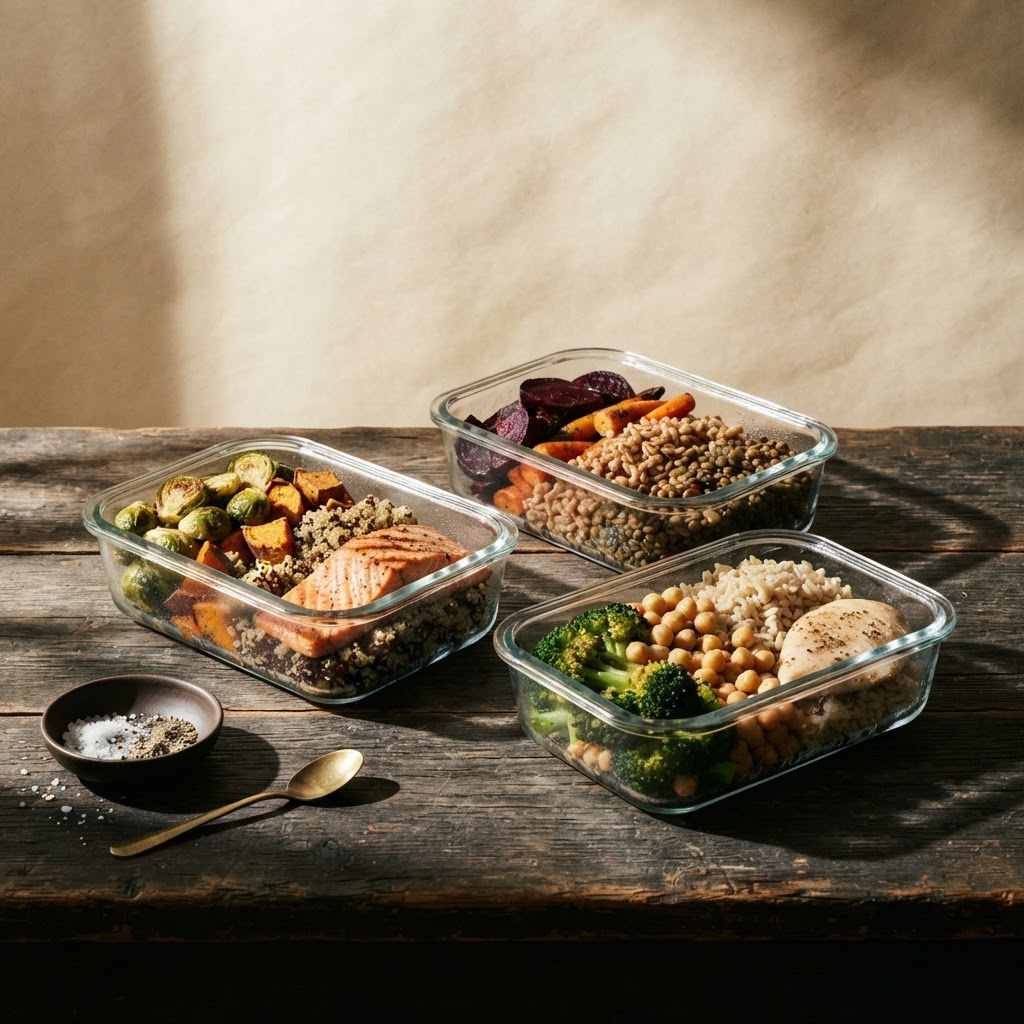
Vegetables provide the volume and essential micronutrients your body needs, yet they are often the first thing to spoil. By roasting a diverse array of vegetables—such as broccoli, cauliflower, carrots, and sweet potatoes—you create a flavorful vegetable medley that can accompany any protein. Roasting caramelizes the natural sugars in vegetables, making them far more palatable than steamed alternatives.
Use high heat, specifically around 400°F (200°C), to get that desirable char without turning the vegetables into mush. Toss your chopped vegetables in avocado oil, salt, pepper, and dried herbs like thyme or rosemary. This simple seasoning profile is neutral enough to pair with anything from Asian-inspired stir-fries to Mediterranean bowls.
To ensure your vegetables remain appetizing throughout the week, store them in a way that avoids excess moisture. Placing a paper towel at the bottom of your storage container can absorb extra humidity. This simple hack extends the freshness of your roasted produce by several days.
Essential Equipment for Success
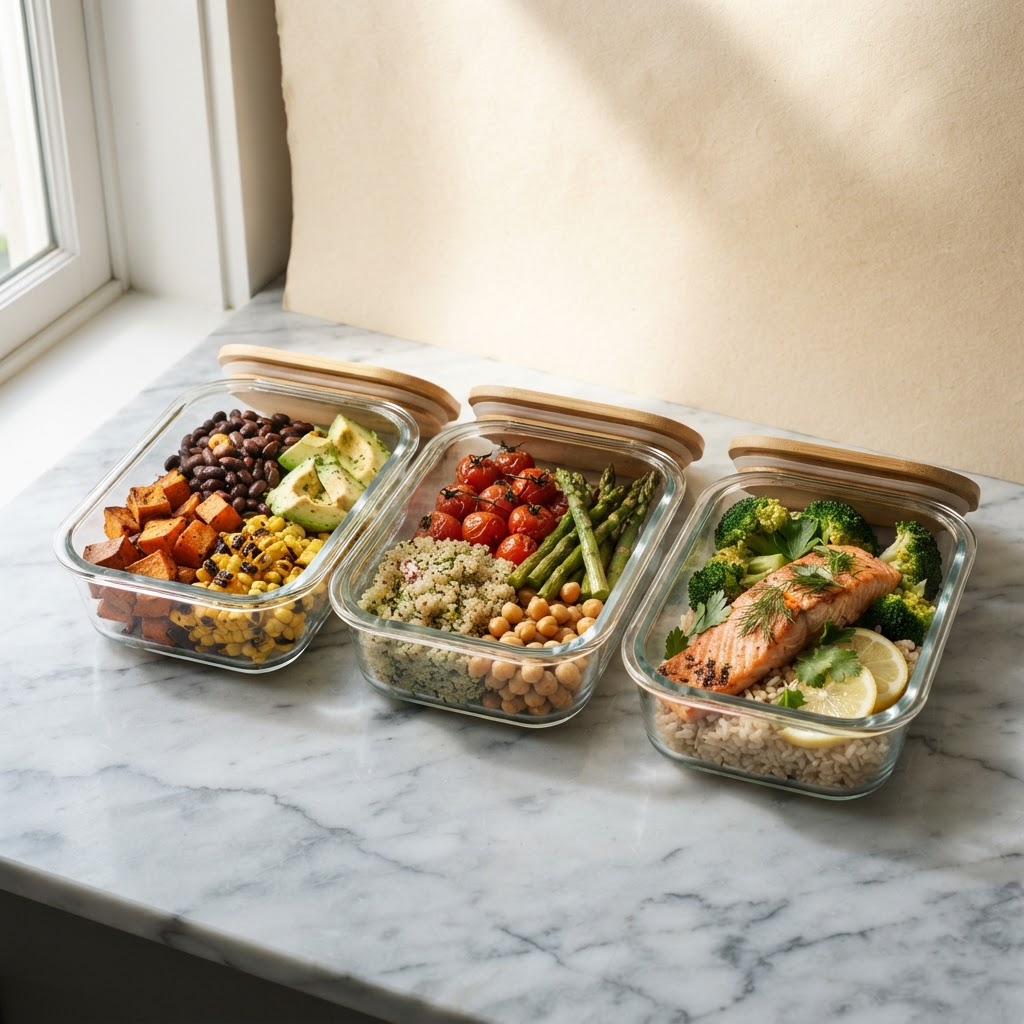
Having the right gear makes meal prep significantly more enjoyable and efficient. You do not need a professional kitchen, but a few high-quality basics will make a world of difference. Invest in a set of glass storage containers with airtight lids, as glass does not absorb odors and holds up better in the microwave than plastic.
Beyond containers, consider these essential tools for your weekly routine:
- A high-quality chef's knife for efficient chopping.
- A large rimmed baking sheet for bulk roasting.
- A reliable digital scale to portion your meals accurately.
- A set of silicone spatulas to maximize yield from bowls and pans.
These tools help streamline the process from preparation to cleanup. Spending a small amount of money upfront on durable gear pays off in the time saved and the longevity of your storage solutions. A well-organized workspace also reduces stress, allowing you to move through your prep tasks with purpose.
Creating Versatile Sauces and Dressings
Sauces are the bridge between a collection of ingredients and a coherent meal. A bland bowl of rice and chicken can be transformed into a culinary experience with a zesty tahini dressing, a spicy peanut sauce, or a classic balsamic vinaigrette. By preparing two different dressings on Sunday, you give yourself the freedom to change the flavor profile of your meals throughout the week.
Consider these three staple sauces that can be made in five minutes:
- Creamy Tahini: Tahini, lemon juice, garlic, and water.
- Spicy Peanut: Peanut butter, soy sauce, lime juice, and ginger.
- Herb Vinaigrette: Olive oil, apple cider vinegar, Dijon mustard, and dried oregano.
These sauces can be stored in small mason jars and poured over your meals right before eating. This prevents your ingredients from getting soggy and ensures that your vegetables or grains stay crisp. Homemade sauces are also significantly healthier than store-bought versions, as they contain no hidden sugars or preservatives.
By investing just ten minutes in creating a signature sauce, you eliminate the risk of boring, repetitive meals that lead to unhealthy food choices.
Storage Protocols and Food Safety
Proper storage is the difference between a delicious Thursday lunch and a wasted meal. Always portion your food into single-serving containers as soon as it cools to room temperature. Storing meals in individual containers prevents the need to reheat the entire batch, which preserves both quality and food safety.
Keep your refrigerator organized so you know exactly which meals should be consumed first. A common mistake is pushing containers to the back of the shelf, where they are easily forgotten until they spoil. Designate a specific shelf in your fridge for your meal prep containers to maintain visibility.
If you find that you have prepped more than you can eat within four days, utilize your freezer. Most grains, roasted vegetables, and cooked meats can be frozen for up to a month. Just remember to label your containers with the date so you can keep track of what needs to be eaten next.
Comparison: Batch Cooking vs. Component Prep
Many beginners ask whether they should cook full meals (casseroles, stews) or focus on component prep. Batch cooking is excellent if you have limited time on weeknights and want a complete meal ready to heat. However, it can lead to flavor fatigue if you eat the same lasagna five days in a row.
Component prep, conversely, offers greater flexibility. It requires a slightly higher level of assembly on the day of consumption, but it allows you to rotate your flavor profiles. If you are someone who enjoys variety, component prep is the superior choice. If you prefer zero-effort dining, batch cooking is the way to go.
Both methods require the same amount of active cooking time, so the choice comes down to personal preference. Experiment with both styles for two weeks to see which fits your lifestyle best. Many people eventually settle on a hybrid approach, batch cooking one or two full meals while prepping components for the rest of the week.
Sustaining the Habit Long-Term
Meal prep is a habit, not a chore, and like any habit, it requires consistency and realistic expectations. Do not try to prepare twenty meals your first week. Start with enough for three days of lunches. Once you master the rhythm, you can expand your scope to cover more meals.
If you have a particularly busy week, allow yourself grace. You can always outsource part of the prep by purchasing pre-cut vegetables or rotisserie chicken from the grocery store. The goal is to make healthy eating easier, not to turn it into a source of stress.
Finally, listen to your body and your preferences. If you find you never want to eat cold salad in the winter, switch to warm soups or grain bowls. By tailoring your meal prep to your genuine needs, you will find it much easier to maintain this practice for years to come.
Integrating Healthy Snacks
Don't forget that snacks are part of your weekly nutritional landscape. Pre-portioning nuts, seeds, sliced fruit, or Greek yogurt cups can prevent mid-afternoon energy crashes. When snacks are prepared and accessible, you are significantly less likely to reach for processed vending machine options.
Focus on snacks that combine protein, healthy fats, and fiber to maintain steady blood sugar levels. A handful of almonds with an apple or a small container of hummus with sliced bell peppers are excellent, quick-to-prep options. By integrating these snacks into your Sunday prep, you complete the cycle of intentional eating.
This holistic approach—managing your meals, your sauces, and your snacks—creates a closed-loop system of nutrition. You are no longer reacting to hunger, but proactively fueling your body. This level of organization is what separates successful health journeys from those that fall to the wayside due to lack of planning.
Frequently Asked Questions
Dr. James Okonkwo
Health Editor · Archive of Absolute Clarity
Dr. James Okonkwo, MD, MPH, is a board-certified physician and public-health researcher who writes about evidence-based health, fitness, and nutrition. He holds medical and public-health degrees and has practiced in both clinical and community settings. His dispatches prioritize peer-reviewed evidence and clearly distinguish established consensus from emerging research.
- MD, board-certified physician
- MPH, public health
- Clinical and community practice
Expertise: Evidence-based health · Nutrition · Fitness · Preventive medicine