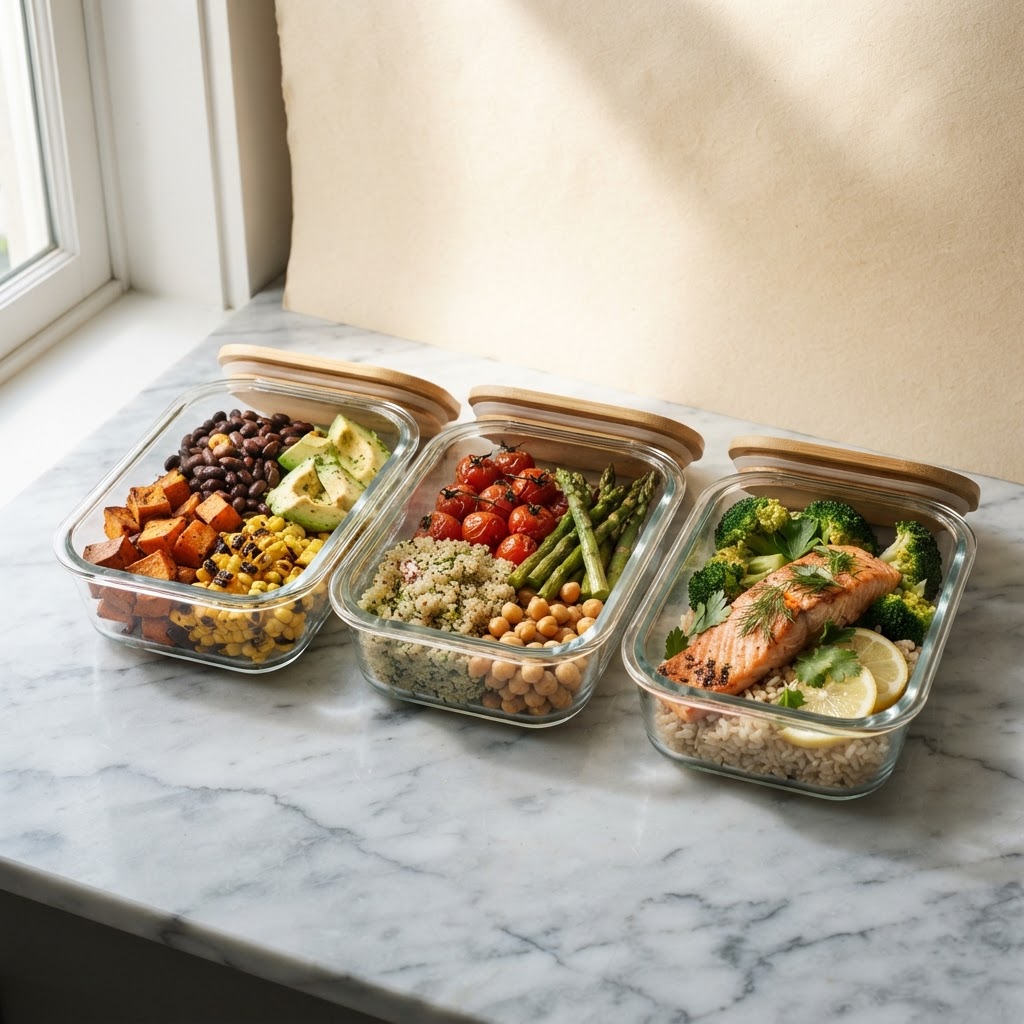
Easy Meal Prep Ideas for the Week: A Practical Guide
Master your schedule with these easy meal prep ideas for the week. Discover how to save time and eat better with our step-by-step strategy for success.
Archive of Absolute Clarity is reader-supported. This page may display advertisements served by Google AdSense and other third-party networks. Ads are delivered automatically based on your browsing activity and are not editorial endorsements. We may earn a commission from links to products or services featured in sponsored content. Our editorial coverage is produced independently and is never influenced by advertisers or sponsors. See our Editorial Standards and Privacy Policy for more information.
Mastering the art of meal preparation is one of the most effective ways to reclaim your time while ensuring your nutrition remains consistent throughout a busy week. Many people perceive meal prep as an overwhelming chore requiring hours in the kitchen, but when approached with a systematic mindset, it becomes a simple, repetitive task that pays significant dividends. By dedicating a small window of your weekend to planning and processing ingredients, you eliminate the daily mental fatigue of deciding what to eat, ultimately reducing stress and preventing the common trap of relying on takeout.
The Strategic Approach to Weekly Meal Planning
Effective meal prep begins long before you turn on your stove; it starts with a calculated look at your calendar. Before writing a shopping list, identify the specific meals where you face the most friction during your week, such as a hectic Tuesday evening or a rushed Wednesday morning. By focusing your efforts on these 'pain points,' you avoid the common mistake of over-preparing food that ends up discarded, ensuring that your energy is directed toward the meals that provide the most value for your lifestyle.
Once you have identified your trouble spots, build a menu around a core set of versatile ingredients rather than a collection of rigid, complex recipes. Choose one protein, two seasonal vegetables, and one versatile grain or starch that can be utilized in multiple ways throughout the week. For example, a batch of oven-roasted chicken can transition from a lunch salad on Monday to a nourishing grain bowl on Thursday, providing variety without doubling your cooking time.
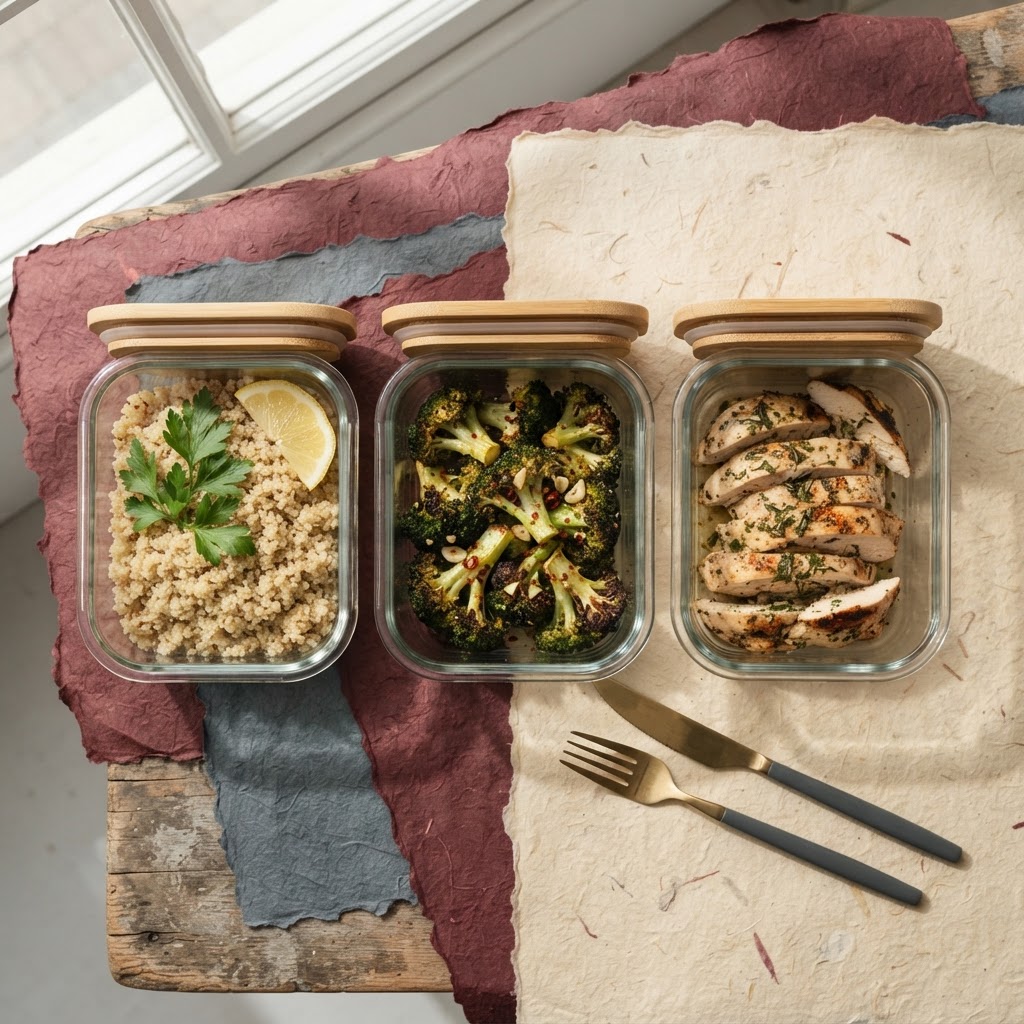
Efficiency is further improved by applying a 'modular' strategy where components are prepared separately rather than fully assembled. When you keep components separate until the moment of consumption, you prevent soggy textures and preserve the freshness of delicate greens or dressings. This method allows you to mix and match flavors based on your mood, preventing the monotony often associated with repeated leftovers.
Mastering the Art of Batch Cooking Proteins
Proteins are the foundation of any balanced meal, and batch-cooking them is the single most effective way to guarantee you have a substantial base for every dinner. Whether you prefer plant-based sources like chickpeas and tofu or animal proteins like salmon and lean beef, utilizing the oven for hands-off cooking is a game-changer. Sheet-pan roasting is particularly efficient, allowing you to season multiple protein portions and cook them simultaneously at a consistent temperature of 400 degrees Fahrenheit.
To ensure your proteins remain succulent throughout the week, focus on proper storage and gentle reheating methods. Store your cooked proteins in airtight glass containers, which prevent flavor absorption from other items in the refrigerator and help maintain the structural integrity of the food. When reheating, a splash of water or broth before covering the dish can prevent the protein from drying out, effectively restoring its original moisture content.
The secret to successful meal prep is not in the variety of recipes you prepare, but in the consistency of the processes you follow to ensure the food remains fresh and flavorful from Sunday to Friday.
Consider integrating a mix of cold and hot protein sources to offer variety in your weekly menu. For instance, cold grilled chicken or marinated tempeh works perfectly for quick lunches, while heartier slow-cooked stews or roasted legumes provide a comforting base for dinners that only require a quick warm-up. By staggering your proteins, you ensure that your palate stays interested without requiring extra time at the stove.
Essential Pantry Staples for Rapid Preparation
Your pantry is the backbone of your ability to pivot during the week, providing the necessary depth of flavor to turn simple ingredients into a gourmet experience. Keep high-quality fats, vinegars, dried spices, and long-lasting aromatics like garlic and shallots stocked at all times, as these are the components that transform a basic vegetable roast into a flavorful meal. Having a diverse collection of sauces—such as tahini, soy sauce, or a simple vinaigrette—is equally important for adding variety to your prep.
Invest in a few high-quality base grains that hold up well in the refrigerator, such as quinoa, farro, or brown rice. These grains provide a reliable energy source and absorb the flavors of your dressings and proteins, acting as a neutral canvas for your creative additions. If you are short on time, consider utilizing pre-cooked, vacuum-sealed bags of rice or frozen grains, which offer the same nutritional profile as stovetop varieties but save an additional twenty minutes of prep time.
Finally, don't underestimate the utility of canned goods that don't require cooking, such as beans, lentils, and fire-roasted tomatoes. These items are excellent for creating quick soups or pasta sauces when you find yourself behind schedule. By keeping your pantry organized and stocked with these versatile building blocks, you ensure that even when your primary meal prep falls short, you still have the tools to create a nourishing meal in less than ten minutes.
Smart Vegetable Prep for Maximum Freshness
Vegetables often constitute the bulk of meal prep effort, but they are also the most prone to rapid degradation if not stored correctly. To maximize the longevity of your greens, wash and dry them immediately upon returning from the store, as moisture is the primary culprit behind premature wilting. Utilize a salad spinner to remove excess water, then line your storage containers with paper towels to absorb any residual moisture throughout the week, keeping your leaves crisp for days.
For heartier vegetables like broccoli, cauliflower, or carrots, raw processing and roasting are your best allies. You can chop a large volume of vegetables in one session and store them in the refrigerator, ready to be tossed onto a sheet pan for a 20-minute roast whenever needed. Alternatively, pre-roasting your vegetables allows for instant addition to bowls, wraps, or as a side dish, significantly reducing the friction associated with preparing healthy components on weeknights.
Keep in mind these rules for vegetable longevity:
- Leafy greens: Wash, dry thoroughly, and store with a paper towel.
- Root vegetables: Store in a cool, dark place or airtight container if pre-cut.
- Cruciferous vegetables: Roasting extends shelf life significantly compared to steaming.
- Fresh herbs: Treat like flowers by keeping stems in water or wrapping in damp paper towels.
The Role of Sauces and Dressings in Flavor Variety
One of the most common reasons meal prep fails is the 'bland food' trap, which often happens when people rely too heavily on plain steamed vegetables and unseasoned proteins. Sauces and dressings are the solution to this, acting as a concentrated source of flavor that changes the entire profile of a dish. A single base of roasted chicken and rice can transform into a Mediterranean bowl with tzatziki, or a spicy Asian-style meal with a ginger-soy dressing.
When you rely on versatile, homemade sauces, you eliminate the need for calorie-dense, processed alternatives and ensure that every bite you take is packed with fresh, vibrant ingredients.
Dedicate 15 minutes of your weekend to whisking together at least two different dressings to keep in the fridge. Simple combinations like olive oil, lemon juice, and Dijon mustard provide a bright acidity, while a blend of peanut butter, lime, and chili paste offers a savory, rich alternative. These sauces should be stored in small glass jars and added to your meals immediately before serving to keep your greens from becoming soggy and your textures perfectly crisp.
If you find yourself lacking motivation, remember that you don't need to invent new recipes; you simply need to change the flavor profile of your core ingredients. This approach to modular cooking allows you to maintain a healthy baseline while satisfying your cravings for different global cuisines. By keeping a rotating selection of sauces available, you maintain the excitement of a restaurant-quality meal without the associated time and cost.
Equipment and Storage Solutions That Save Time
Investing in the right storage containers is arguably as important as the food you prepare itself. Move away from mismatched plastic containers that leak or stain, and prioritize uniform, clear glass containers with locking lids. Glass is superior because it is non-porous, doesn't retain odors, and allows you to clearly see the contents of your fridge, which reduces the likelihood of food being forgotten and eventually wasted.
For those who commute or need portability, look for containers with built-in dividers, which allow you to keep proteins, grains, and dressings separated until the last moment. This is essential for maintaining the textural contrast between hot and cold items, or crunchy and soft textures, which is vital for an enjoyable meal. A organized fridge with labeled containers also serves as a visual prompt, reminding you of the nutritious options you have available and discouraging impulse buys.
Beyond containers, ensure you have a sharp chef's knife and a large cutting board, as these two tools will dictate the speed and enjoyment of your preparation process. Dull knives are a common cause of injury and slow down prep time significantly, so keeping your blades honed is a safety and productivity priority. When you have the right equipment, the mechanical aspects of chopping, slicing, and packing become almost meditative rather than a burden.
Balancing Nutrition: Protein, Fats, and Fiber
Constructing a balanced meal doesn't need to involve a scientific calculator, but it should prioritize the trifecta of macros: protein, fiber, and healthy fats. Each of your prep sessions should ideally result in a combination of these three, as they work together to keep you satiated for longer and stabilize your blood sugar throughout the workday. When building your containers, try to follow a general ratio of 25% protein, 50% fiber-rich vegetables, and 25% complex carbohydrates.
Integrating healthy fats like avocado, nuts, seeds, or olive oil is essential not just for nutritional balance, but for the satiety factor that prevents snacking between meals. For instance, adding a handful of pumpkin seeds to a salad or drizzling olive oil over roasted vegetables adds healthy lipids that make the meal feel more complete. These additions are easy to incorporate at the last minute and provide a significant boost to your overall dietary health.
When choosing your sources of fiber, aim for diversity. Including both soluble and insoluble fibers—found in beans, grains, and a variety of colorful vegetables—supports digestive health and ensures a wider spectrum of micronutrients. By diversifying your vegetable prep, you guarantee that you are getting a broad range of vitamins and minerals, effectively turning your meal prep into a comprehensive health strategy rather than just a convenience tactic.
Troubleshooting Common Meal Prep Mistakes
Even experienced home cooks encounter issues, such as food spoiling before the end of the week or finding their meals unappealing after day three. The most common mistake is over-committing to complicated recipes that require extensive final assembly. If you find yourself avoiding your prepped meals, scale back the complexity and focus on individual components that can be used flexibly, rather than pre-assembled meals that lock you into one specific dish.
Another frequent issue is failing to consider the 'shelf life' of different ingredients. For example, fresh berries or soft greens should be consumed within the first 48 hours of your prep, while heartier items like root vegetables and cooked legumes can last for up to five days. By structuring your meal plan to eat the more delicate items earlier in the week, you ensure that you aren't stuck eating wilted produce by Friday.
Finally, if you find your food becoming monotonous, don't be afraid to utilize frozen ingredients or high-quality convenience items like store-bought rotisserie chicken or pre-washed salads. The goal is to reach your nutritional target with the least amount of effort, and augmenting your home-prepped items with strategic, time-saving additions is a hallmark of an advanced, pragmatic meal planner.
Developing a Sustainable Weekly Routine
Consistency is the final piece of the puzzle, and it is built through the development of a routine that fits seamlessly into your life. Rather than trying to execute a massive prep session on Sunday afternoon, consider 'mini-prep' sessions that you can spread throughout the week. For example, you might roast your proteins on Sunday night and then chop your vegetables during a Tuesday evening session to ensure freshness for the latter half of the week.
Listen to your body and your schedule; if a particular week is exceptionally busy, allow yourself to simplify even further. Perhaps that week involves buying a pre-made healthy meal or relying on simple one-pan recipes instead of a full prep marathon. Recognizing that meal prep is a flexible tool—not a rigid law—is key to sustaining this habit over the long term and avoiding the burnout that comes from perfectionism.
Ultimately, the success of your meal prep journey will be measured by the time you save and the improved quality of your daily nutrition. By focusing on simple, repeatable processes and modular components, you empower yourself to make healthy choices even when life gets overwhelming. Start small, track your progress, and adapt your methods as you discover which strategies work best for your unique lifestyle and dietary needs.
Frequently Asked Questions
Dr. James Okonkwo
Health Editor · Archive of Absolute Clarity
Dr. James Okonkwo, MD, MPH, is a board-certified physician and public-health researcher who writes about evidence-based health, fitness, and nutrition. He holds medical and public-health degrees and has practiced in both clinical and community settings. His dispatches prioritize peer-reviewed evidence and clearly distinguish established consensus from emerging research.
- MD, board-certified physician
- MPH, public health
- Clinical and community practice
Expertise: Evidence-based health · Nutrition · Fitness · Preventive medicine